
Home / Hair Care / Caring for Colored Hair
Color fades from the moment you leave the salon chair — that's simply how hair dye works — but how fast it fades, and how it fades, is largely within your control. A little bit of routine adjustment after a color service can be the difference between color that still looks fresh at week six and color that's gone dull and brassy by week two.
Wait Before You Wash
Many stylists recommend waiting 24–72 hours after a color service before the first wash, since the hair cuticle needs time to fully close back down after processing, and washing too soon can rinse out more color than necessary. Check with your stylist for their specific recommendation, since it varies by the type of color service.
Everyday Habits That Help
- Use sulfate-free, color-safe shampoo and conditioner, which clean without stripping color molecules as aggressively as standard formulas.
- Wash in cooler water — hot water opens the cuticle and fades color faster, especially on lightened hair.
- Use a UV-protectant spray for outdoor exposure, since sunlight breaks down color pigment much like it fades fabric.
- Space out washes where possible, since every wash cycle removes some amount of color regardless of product quality.
- Avoid chlorinated pools without protection, since chlorine can react with certain color and lightening treatments and shift the tone.
Keeping Blonde From Turning Brassy
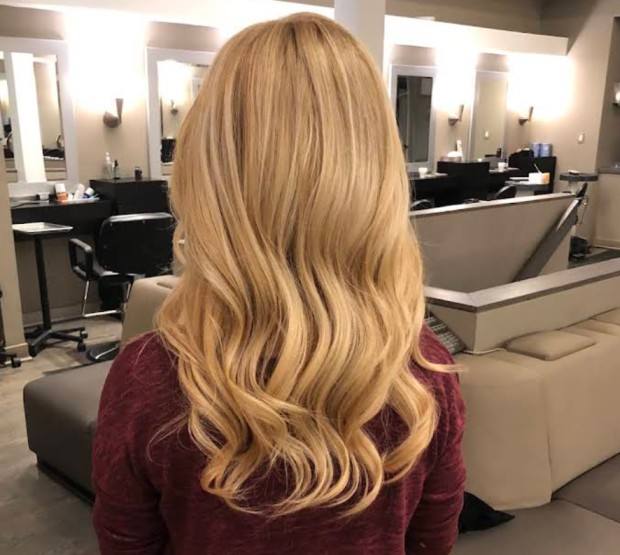
Lightened blonde hair is especially prone to picking up warm, yellow or orange undertones as its toner fades, since the underlying pigment in most hair is naturally warm. A purple-tinted shampoo used once or twice a week can help neutralize that warmth between salon visits, though it's a maintenance tool, not a substitute for a periodic in-salon toner refresh.
Ask Your Stylist About a Refresh Schedule
Beyond full color appointments, many people benefit from a quicker gloss or toner service every few weeks to keep tone consistent without a full reapplication of color. This is often faster and less expensive than a full color service, and can meaningfully extend how long a color looks fresh between the bigger appointments.
Balancing Color Health and Vibrancy
Frequent lightening or bold color changes take a toll on hair condition, and damaged hair actually holds color less evenly than healthy hair — so caring for the hair's overall condition isn't separate from caring for the color, it's part of the same goal. A weekly deep conditioning treatment or bond-building service can help keep color-treated hair strong enough to hold pigment well.
Traveling and Sun Exposure
Vacations and extended time outdoors can fade color faster than a normal week at home, since sun, salt water, and chlorine all accelerate pigment breakdown. Packing a UV-protectant spray and rinsing hair with fresh water before and after swimming — wetting it first so it absorbs less pool or ocean water — are both simple habits that meaningfully slow fading during trips when your normal routine isn't practical to maintain fully.
Choosing At-Home Products Wisely
Not every "color-safe" label means the same thing across brands, and price doesn't always correlate with how well a product actually protects color. Ask your stylist for a specific product recommendation rather than guessing from shelf labels — many salons carry professional lines that are formulated differently from what's available at a general drugstore, and a direct recommendation saves trial and error.
See also: Hair Coloring Techniques.
Patience Pays Off
Vibrant color is easiest to maintain when it's treated as an ongoing commitment rather than a one-time result. A little consistency between appointments goes further than any single product, no matter how good.