
Home / Sola Salon Studio
How a Salon Studio Operates
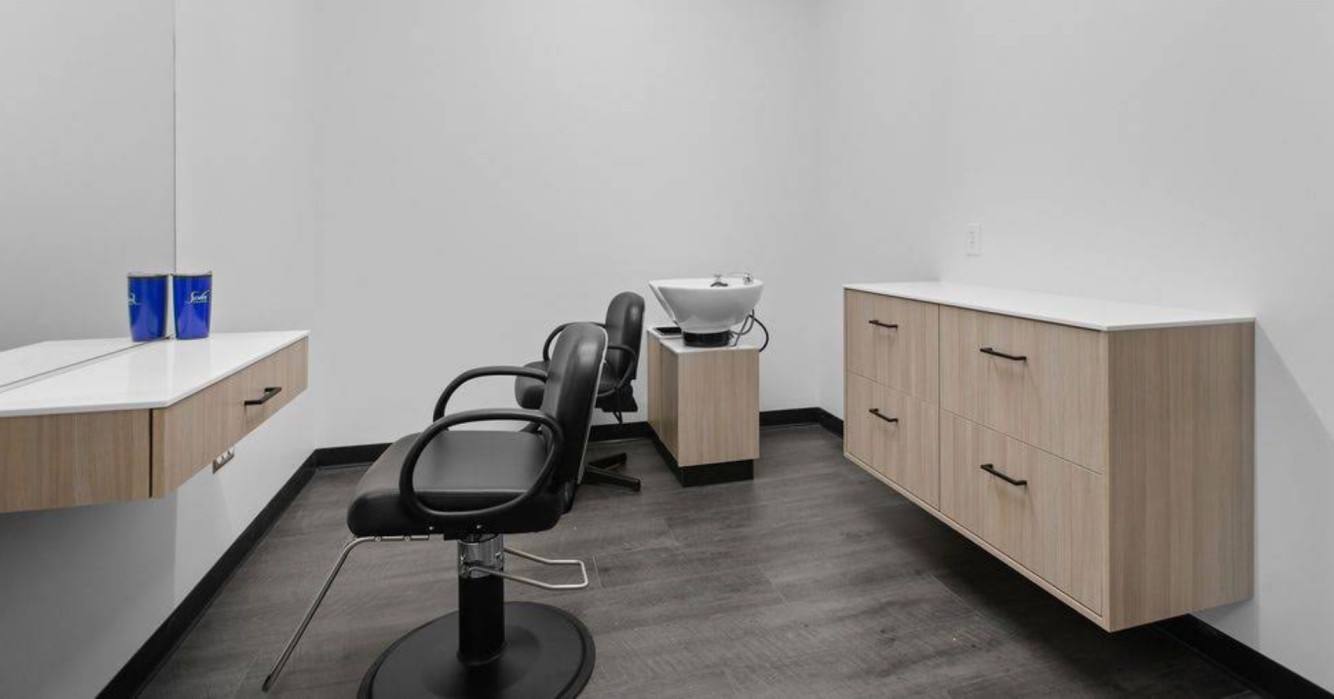
A salon studio is a private, fully equipped room leased by an individual beauty professional inside a larger building of similar studios. The professional controls their own hours, pricing and client list, and typically decorates and stocks the space themselves. Clients book appointments directly with that person rather than through a shared salon receptionist.
Services Commonly Offered
- Haircuts and styling
- Color services, including highlights and balayage
- Hair treatments and smoothing services
- Extensions
- Some studios also offer skin care, nails, or barbering
Benefits and Considerations
Salon studios often mean more one-on-one time with your stylist and a more personalized environment. The trade-off is that you're evaluating one professional directly rather than relying on a salon's overall reputation, so a bit more research up front pays off.
What a First Visit Usually Looks Like
Because each studio is its own small business, the check-in process is usually simpler than a traditional salon — there's often no shared waiting area or front desk, and you'll typically message or call the professional directly to confirm your appointment time. Arriving a few minutes early is still a good habit, since studios are private spaces and the professional may be finishing with a previous client. Payment methods, cancellation policies, and even whether walk-ins are accepted all vary studio by studio, so it's worth confirming those details when you book rather than assuming they match what you're used to elsewhere.
How Pricing Actually Gets Set
Unlike a traditional salon with one posted price list for every stylist, each studio professional sets their own rates based on their experience, training, location, and demand. Someone early in their career might charge noticeably less than a stylist who has built a loyal client base over many years, even for the identical service in the same building. This is normal within the model and not a red flag on its own — but it does mean price alone isn't a reliable way to judge quality, and it's worth asking what's included (consultation, styling, aftercare advice) rather than comparing numbers in isolation.
How to Evaluate a Salon Professional
- Check their portfolio or social media for recent, relevant work
- Confirm their license is current in your state
- Read independent reviews where available
- Ask about consultation policy before a big change (e.g., major color correction)
- Ask how they handle a result you're not fully happy with
Building an Ongoing Relationship
One advantage of the studio model that's easy to overlook: because you're booking directly with the same person every time, it's often easier to build continuity than at a larger salon where availability and staff can shift. Once you find a professional whose work you trust, keeping notes on what they've done for you — formulas, cut specifications, products used — makes each future visit smoother, since that history lives with the same person rather than being spread across a rotating staff.
If Something Doesn't Go as Planned
Even with careful research, results occasionally don't match expectations. Ask about a professional's policy on adjustments before you book, not after — most reasonable professionals will offer a follow-up appointment to fix a minor issue at little or no extra cost, but that policy varies person to person, and it's much easier to ask upfront than to negotiate after the fact.
Making the Most of the Model
The salon-studio model rewards a bit of upfront research with a more personal, consistent experience over time. Treat the first visit as an evaluation, not a lifelong commitment, and don't be afraid to try a different studio if the first one isn't quite the right fit.
For a broader overview, see our Sola Hair Salon, or jump to the Salon Cost Calculator to estimate pricing.
Independent informational resource. Not affiliated with, sponsored by, or endorsed by Sola Salon Studios.