
Home / Hair Care
Good hair care isn't about buying more products — it's about understanding what your specific hair and scalp actually need, and building a routine around that instead of a generic one-size-fits-all regimen. This guide covers the basics that apply broadly, with links to more specific guidance for curly hair, dry hair, colored hair, and general maintenance below.
Building a Basic Routine
A simple, effective routine usually covers four things: cleansing suited to your scalp, conditioning suited to your hair's porosity, weekly extra care (a mask or deep conditioner), and heat/UV protection when styling. Getting these four elements right matters more than any single "miracle" product — most hair care problems come down to a mismatch between the routine and the hair type, not a missing ingredient.
How Often Should You Wash Your Hair?
There's no single right answer — oilier scalps often do better with more frequent washing (every 1–2 days), while dry or curly hair often looks and feels better washed less often (every 3–7 days). Adjust based on how your hair and scalp actually respond, not a fixed schedule. If you're changing your wash frequency, give it a few weeks to settle — scalps often overproduce oil temporarily when you first wash less often, which can feel counterproductive before it improves.
Understanding Your Hair's Porosity
Porosity — how easily hair absorbs and retains moisture — affects which products actually work for you. Low-porosity hair tends to resist moisture and can feel weighed down by heavy products; high-porosity hair absorbs moisture quickly but loses it just as fast, and often benefits from heavier, sealing products. A simple way to get a rough sense of your porosity: a strand of clean, dry hair dropped in water that sinks quickly is likely higher porosity, while one that floats for a while is likely lower porosity. It's not a lab-grade test, but it's a useful starting point.
Preparing for a Salon Appointment
- Come with clean, product-free hair unless your stylist asks otherwise.
- Bring reference photos for cuts or color.
- Write down 2–3 questions you want answered during the consultation.
- Mention any recent chemical services (color, keratin, relaxer) even if it's been months, since it can affect how new services process.
When to See a Professional Instead of DIY-ing It
Most day-to-day hair care is well within the range of a good at-home routine. But certain things are worth handing to a professional rather than troubleshooting yourself — color correction, significant chemical damage, or any sudden change in hair texture or scalp health that doesn't respond to basic care. Persistent scalp irritation, unusual shedding, or anything that feels like it might be medical rather than cosmetic is worth a dermatologist visit rather than a salon appointment.
Adjusting Your Routine Seasonally
Hair care isn't static — what works in a humid summer often needs adjusting once cold, dry winter air sets in, and vice versa. Many people need richer conditioners and less frequent washing in winter, when indoor heating dries out both skin and hair, and lighter, more frequent cleansing in summer, when humidity and sweat build up faster. Treating your routine as something to revisit each season, rather than a fixed set of products, tends to produce more consistent results year-round.
Explore More Hair Care Topics
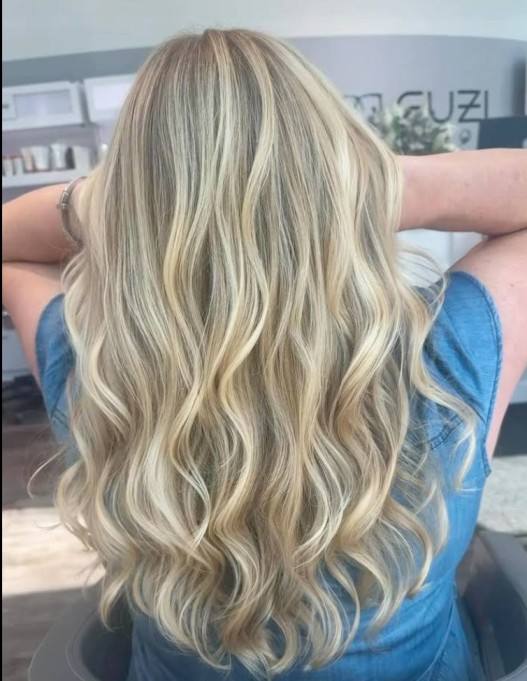
Curly Hair Care
Moisture, definition and routine tips for curly hair.
Read more
Dry Hair Care
Rebuilding moisture and reducing breakage in dry hair.
Read more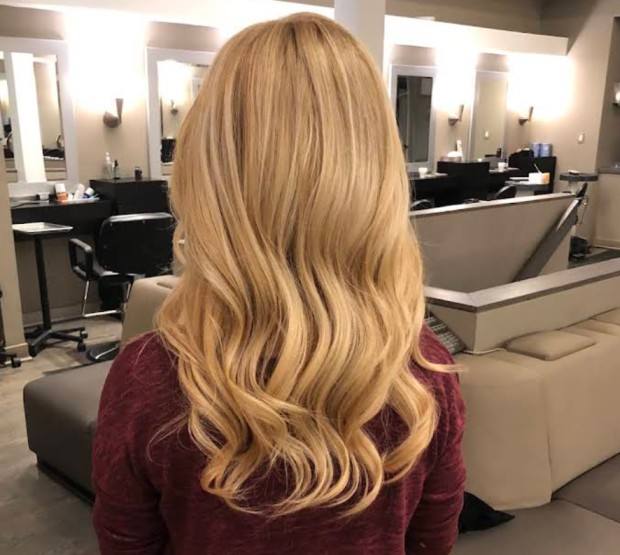
Caring for Colored Hair
How to keep color vibrant between salon visits.
Read more
Hair Maintenance
Everyday habits that keep hair healthy between cuts.
Read moreA Routine That Grows With You
Your hair care needs today won't necessarily match what worked five years ago, or what will work five years from now — age, hormonal changes, and shifts in styling habits all mean a routine benefits from periodic reassessment rather than being set once and never revisited. Circle back to this page every so often and see whether the basics still fit.